
-
- Tulsa
- Owasso
- Bixby
- Salpupa
- Collinville
- Broken Arrow
- Skitok
- Coweta
- Inola
- Claremore
Skill - Knowledge - Passion
Taking care of Tulsa urban forest - One tree at a time
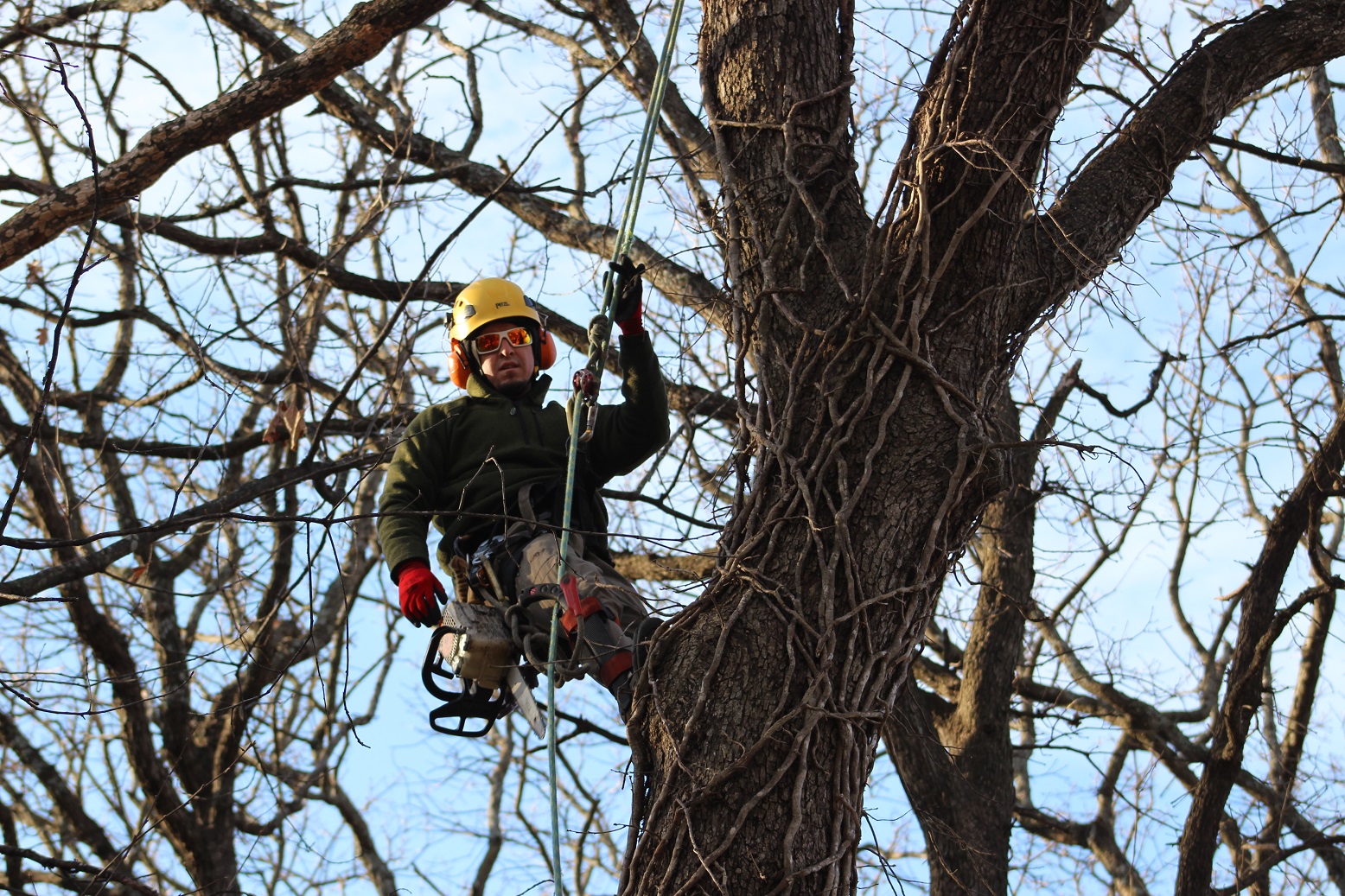
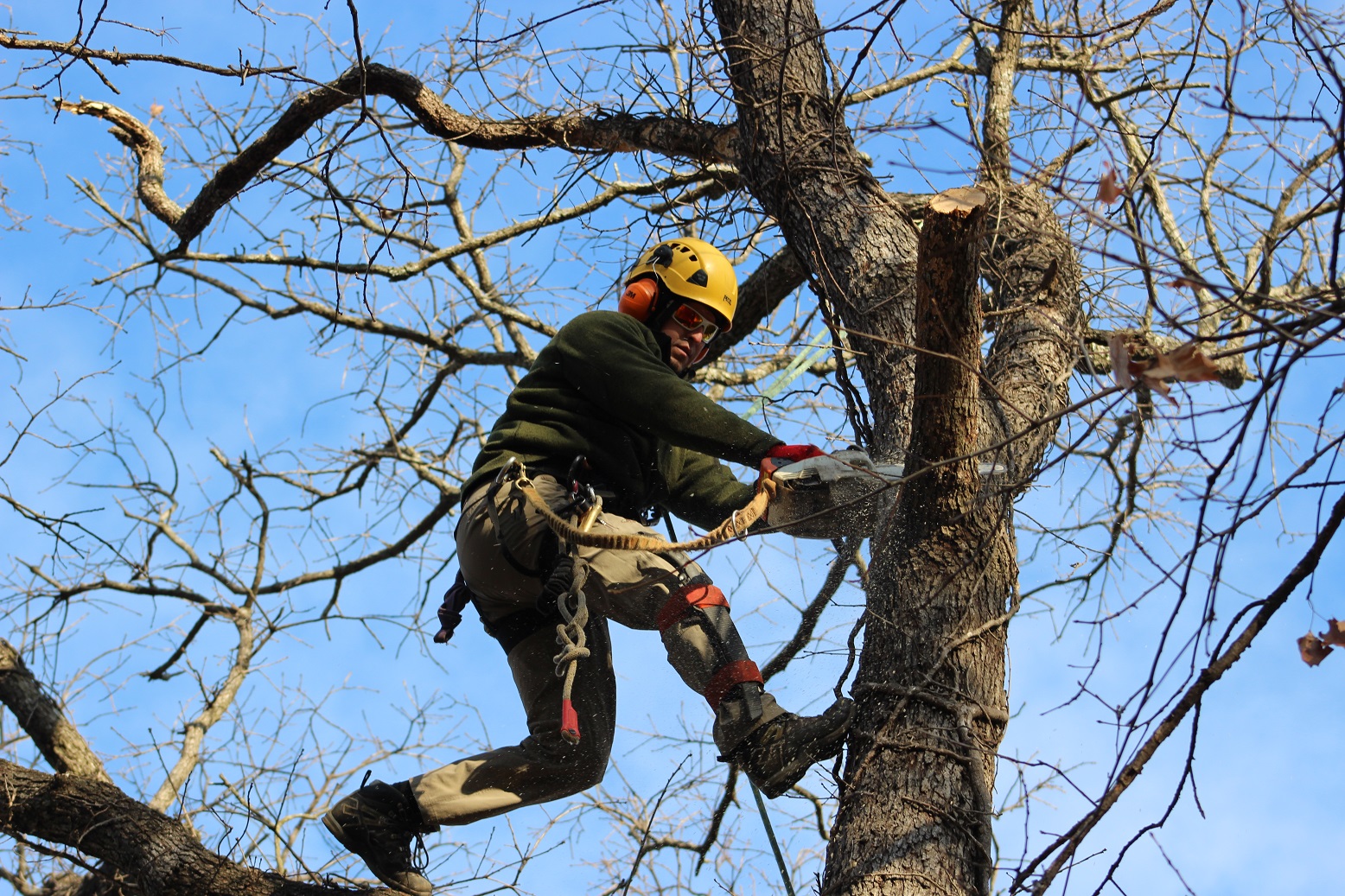
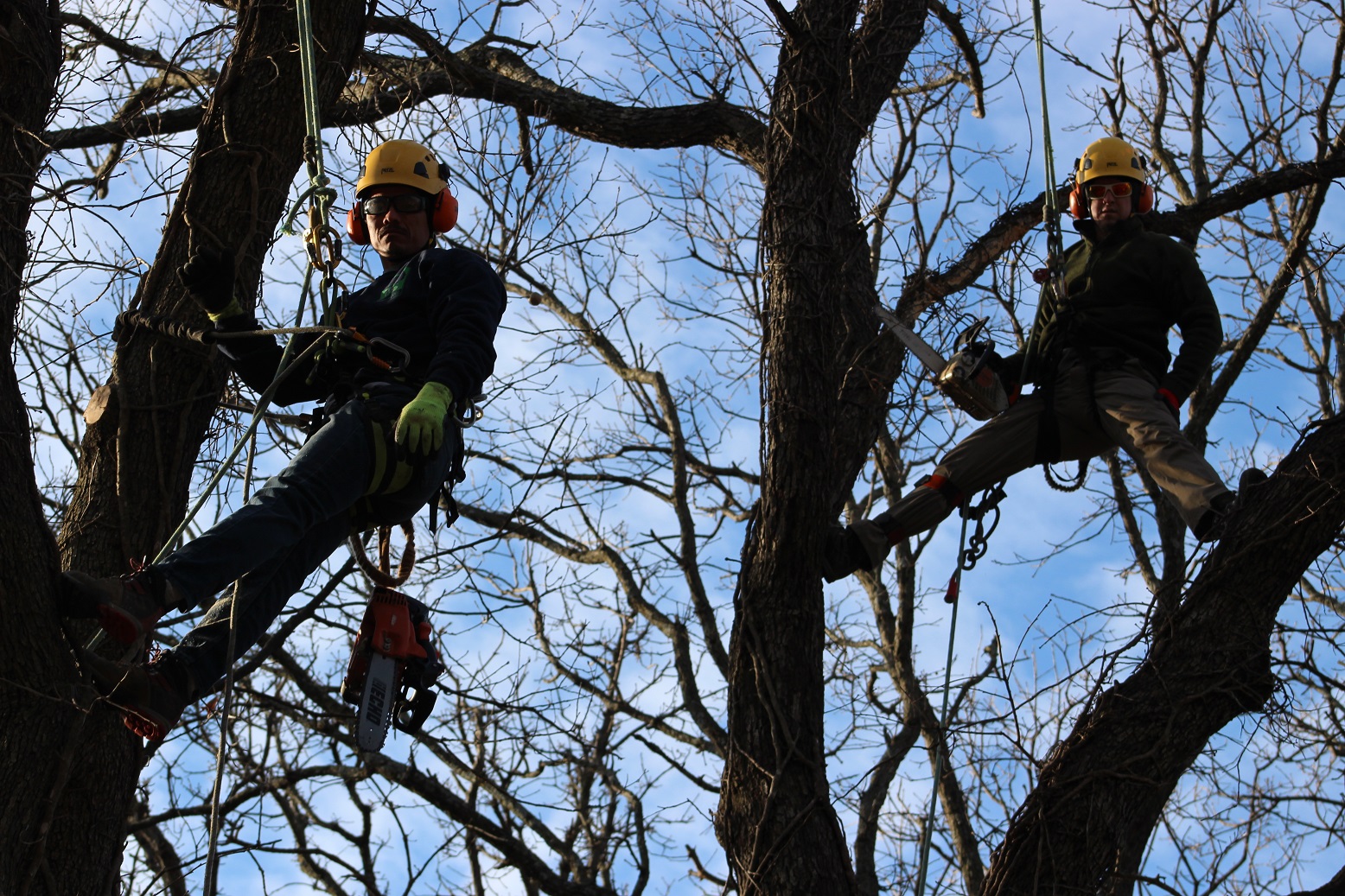
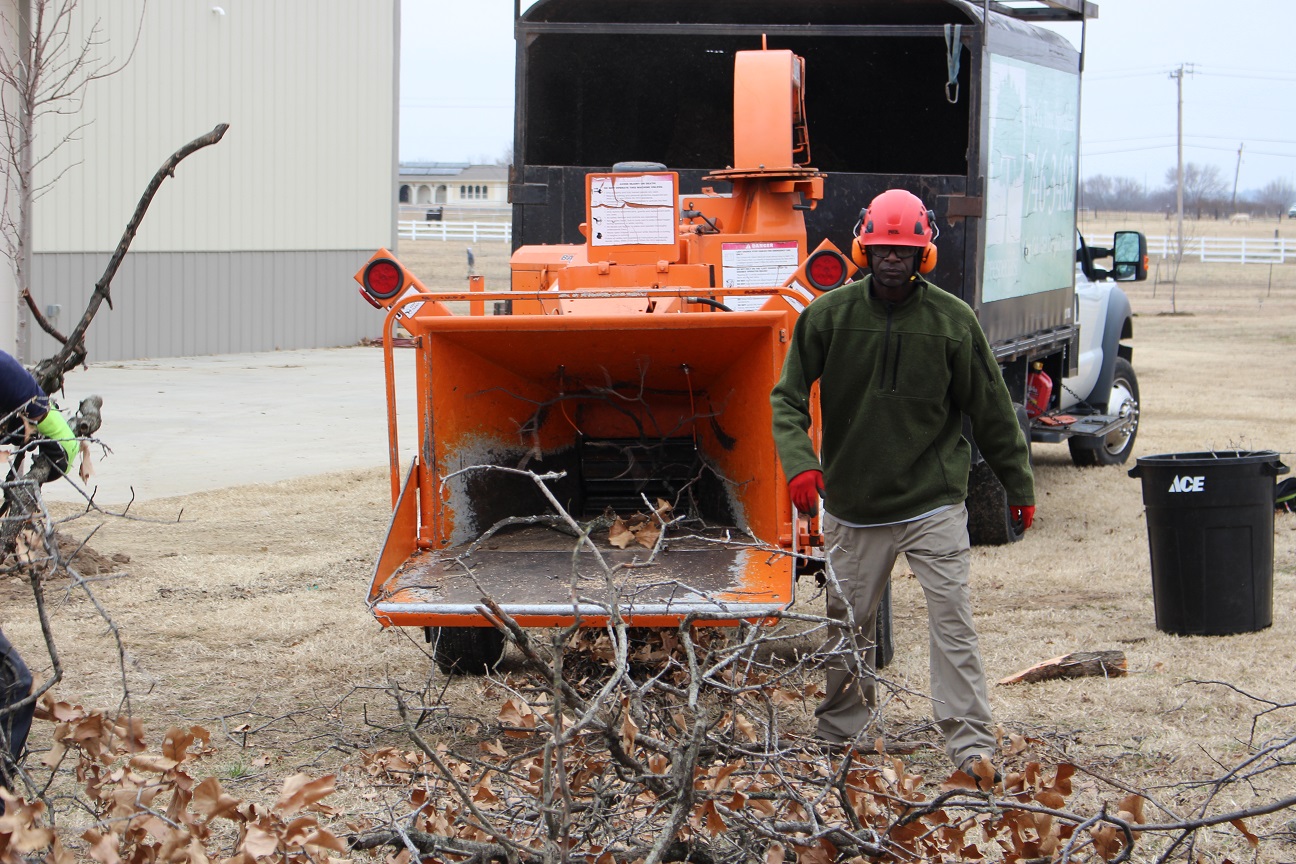
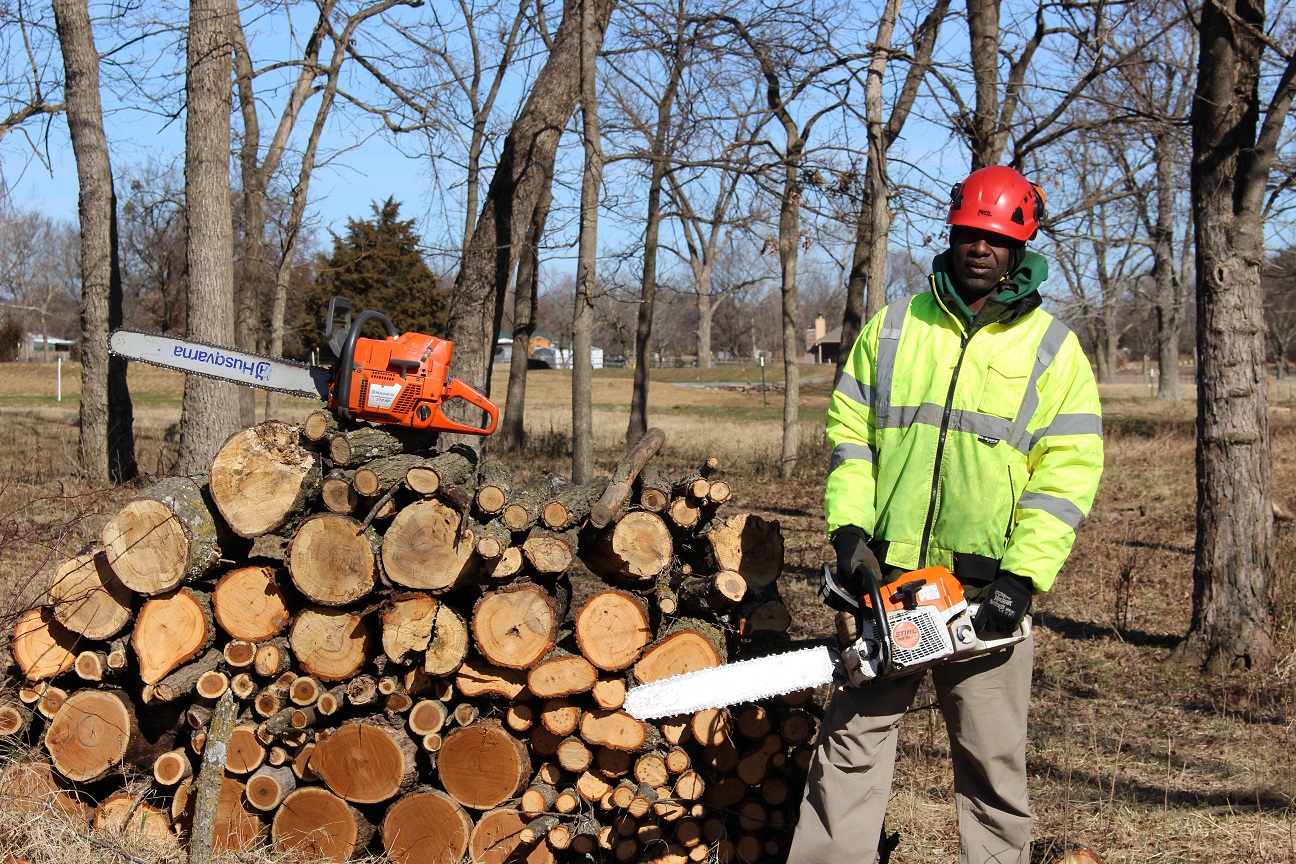
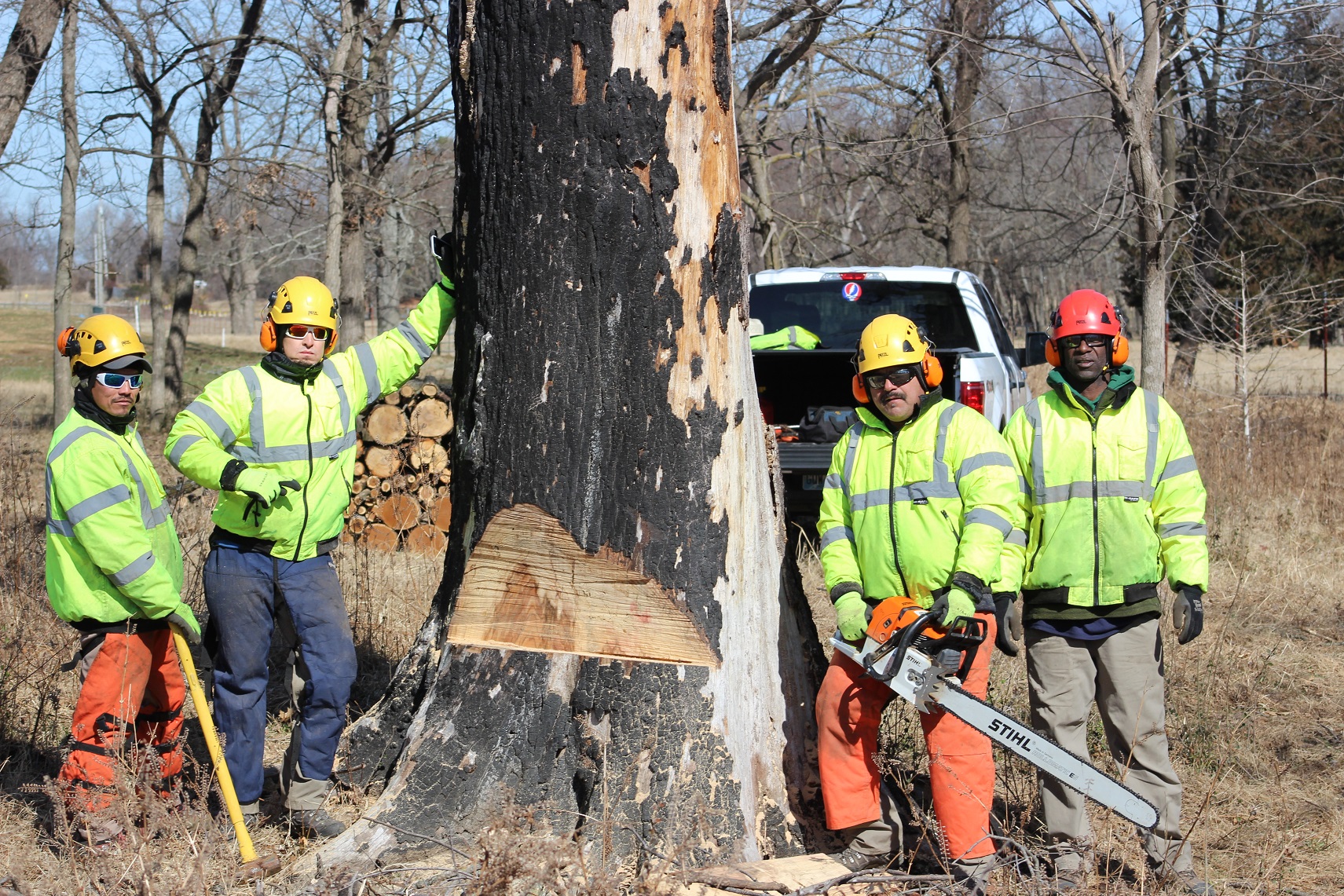
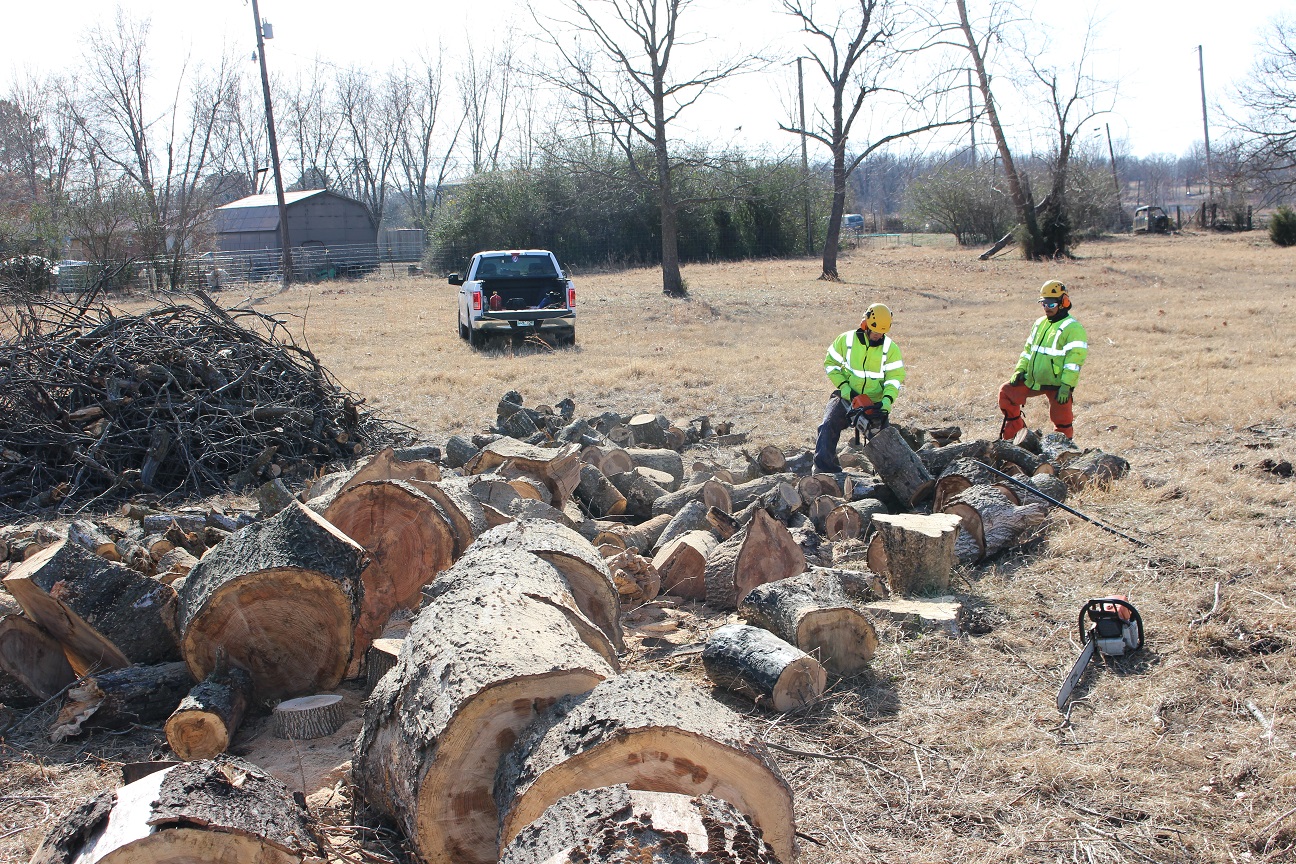
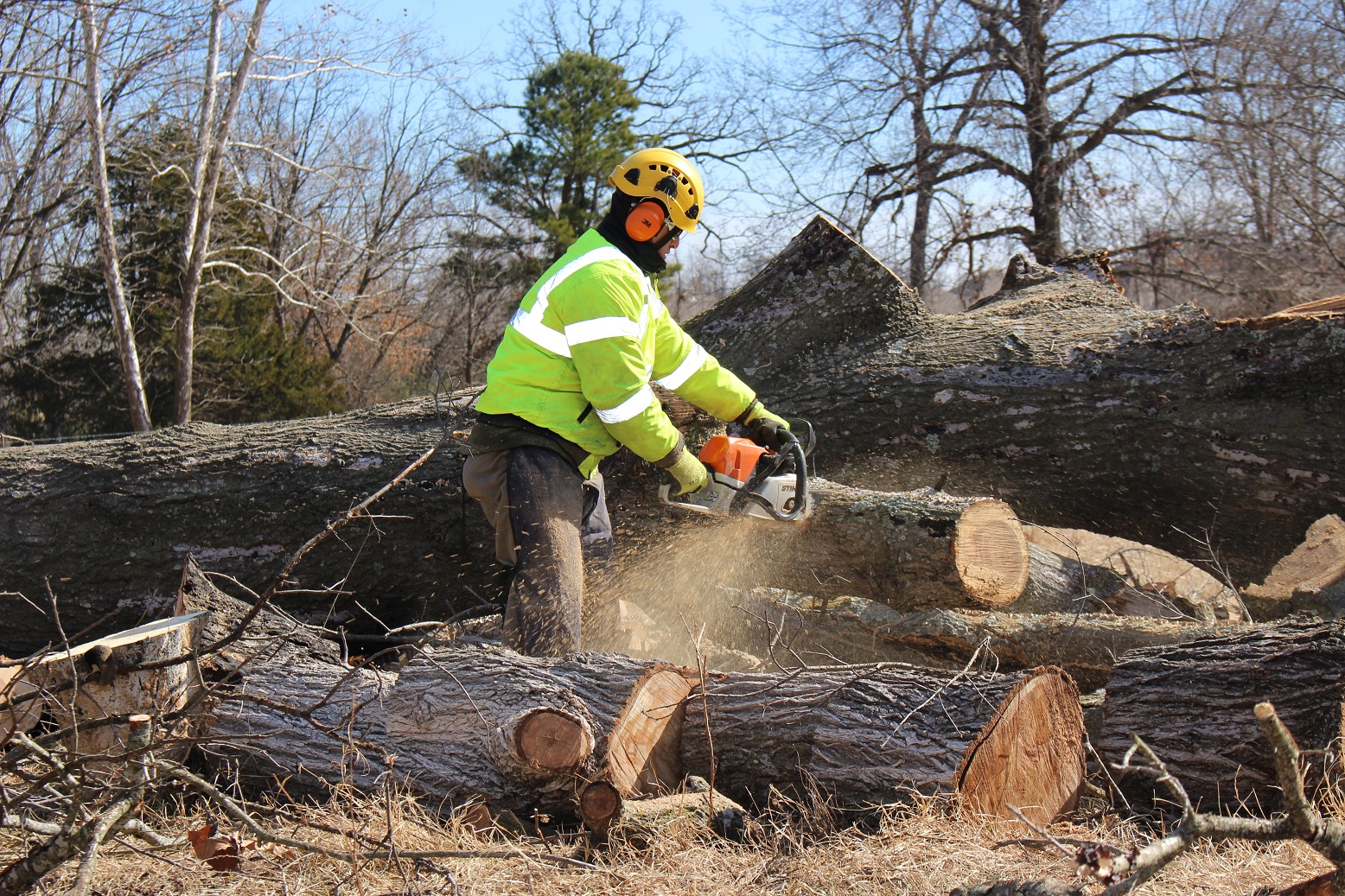
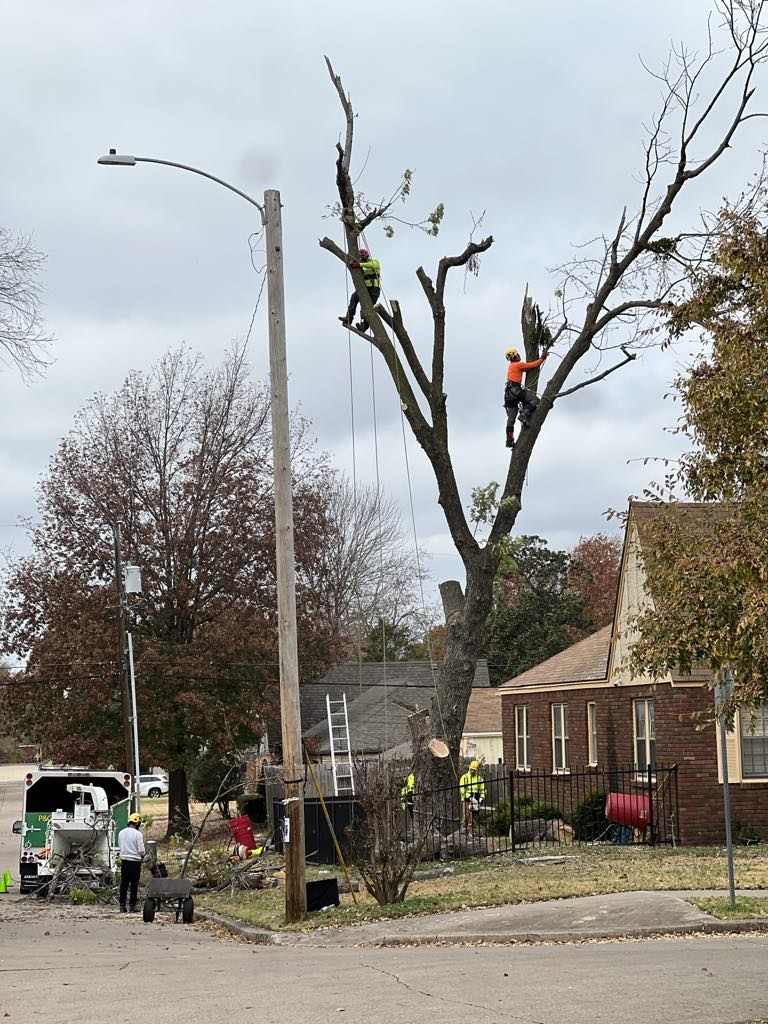
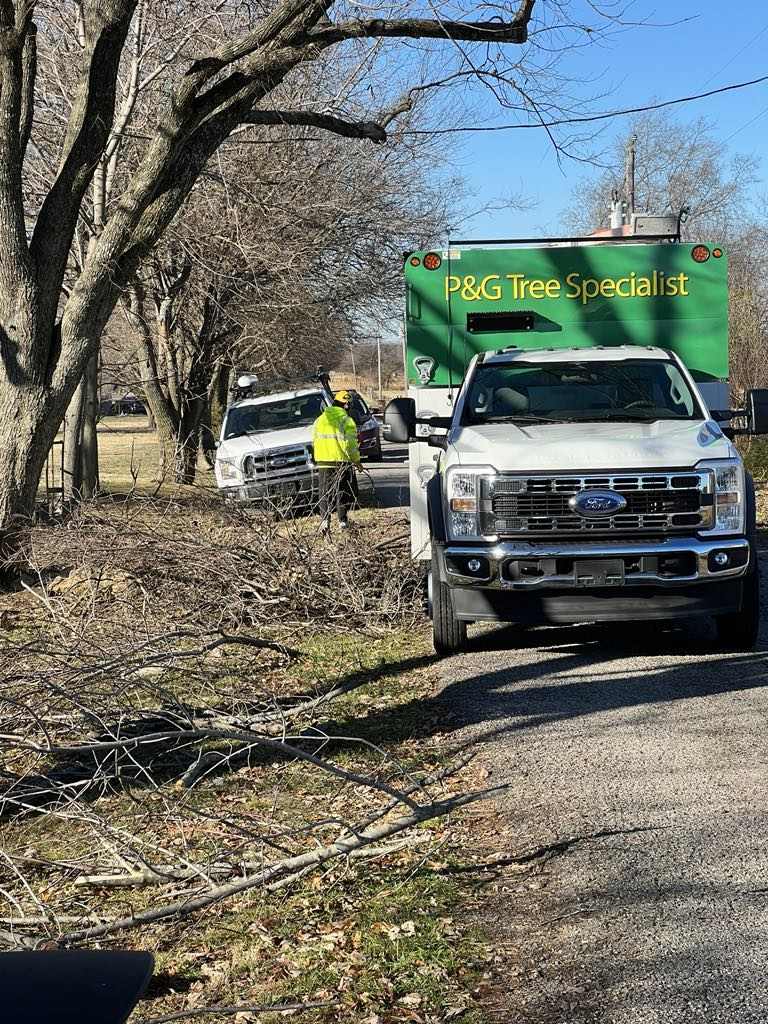
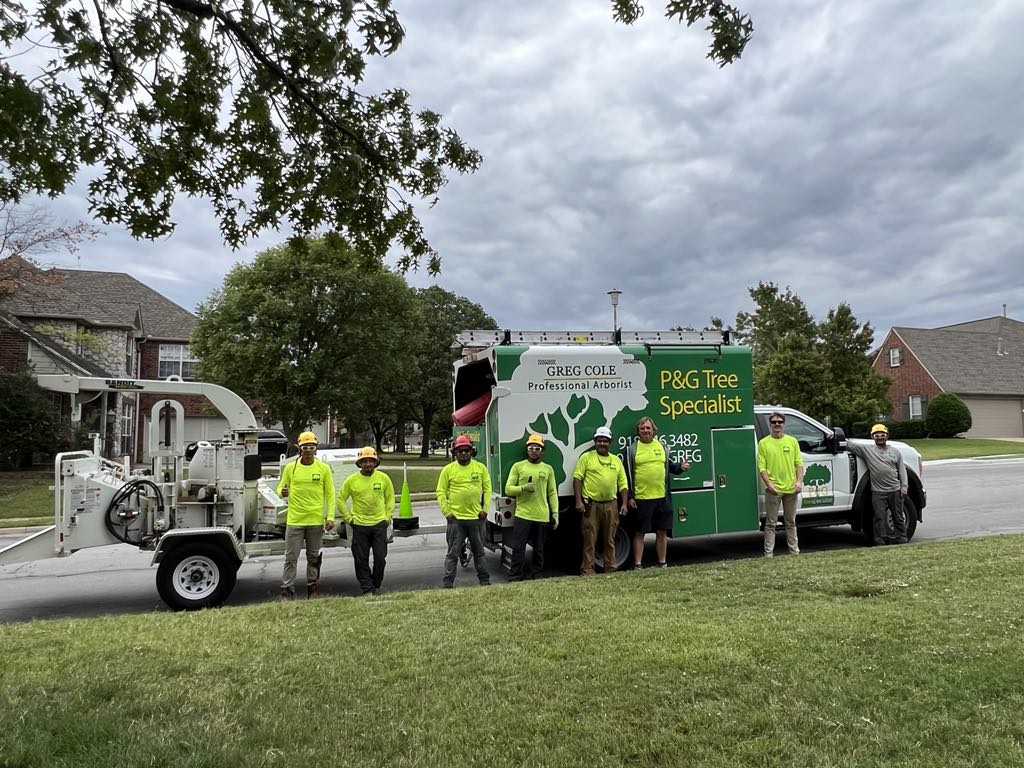
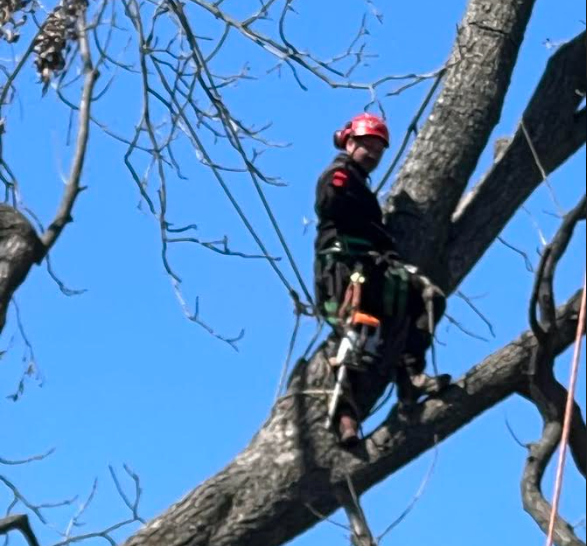
P&G Tree Specialist specializes in arboriculture and professional tree care, particularly focusing on landmark trees in Tulsa, Oklahoma. Whether it's yard cleaning services or maintaining the health and beauty of their customers' trees, yards, and gardens, P&G Tree Specialist's dedication is unparalleled.
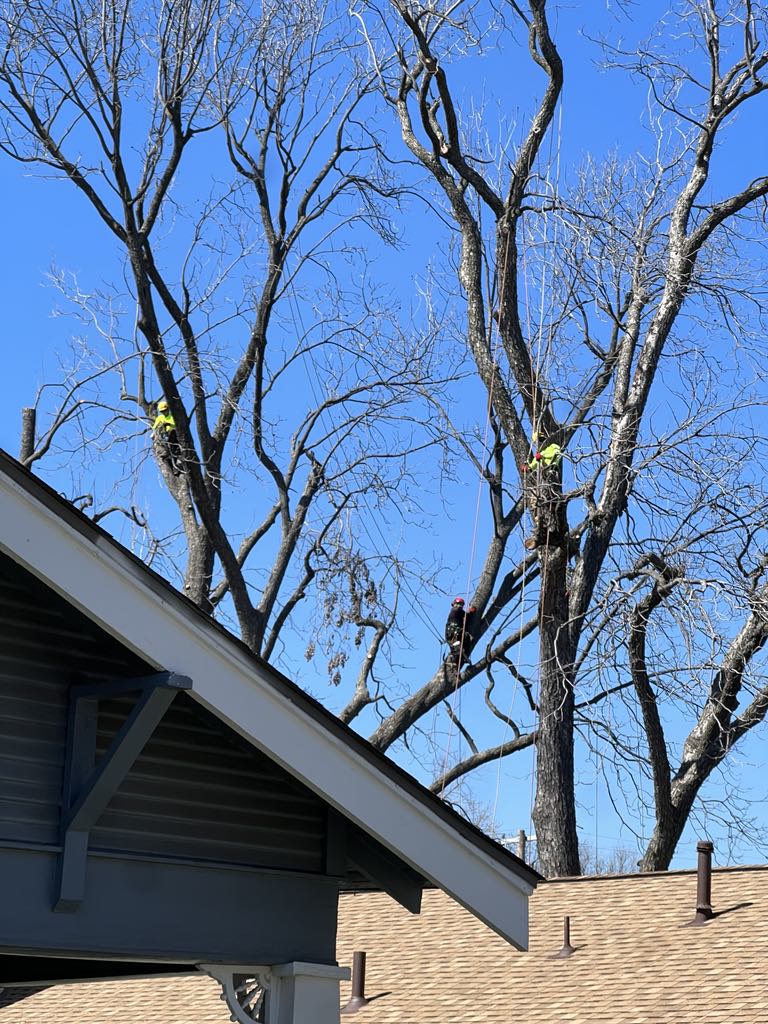
Renowned for both quality and safety, P&G Tree Specialist has built an excellent reputation. Their team of professional tree trimmers is dedicated to delivering top-notch tree pruning services in Tulsa and nearby cities. They aim not only to provide quality service but also to ensure economically efficient landscape solutions, including drought-tolerant yard installations, for each customer.

Greg's and his crew's work was excellent. We recently moved to this home and have a beautiful ok tree in the front yard. However, several branches extended over and too close to the roof and the tree allowed very little light through which made the house front appear…
view more
Greg Cole responded quickly to my request for an estimate. He was at my house that afternoon and quickly assessed the situation. He gave me an initial quote of $275 for the tree removal. Subsequent to the actual work I decided to ask him to remove the pergola as…
view more
First thing that impressed me was they were punctual and they kept in contact with me. The jobs done were very professional and efficient and they cleaned up after their work was complete. I would highly recommend them to anyone needing tree service. They even did
view more
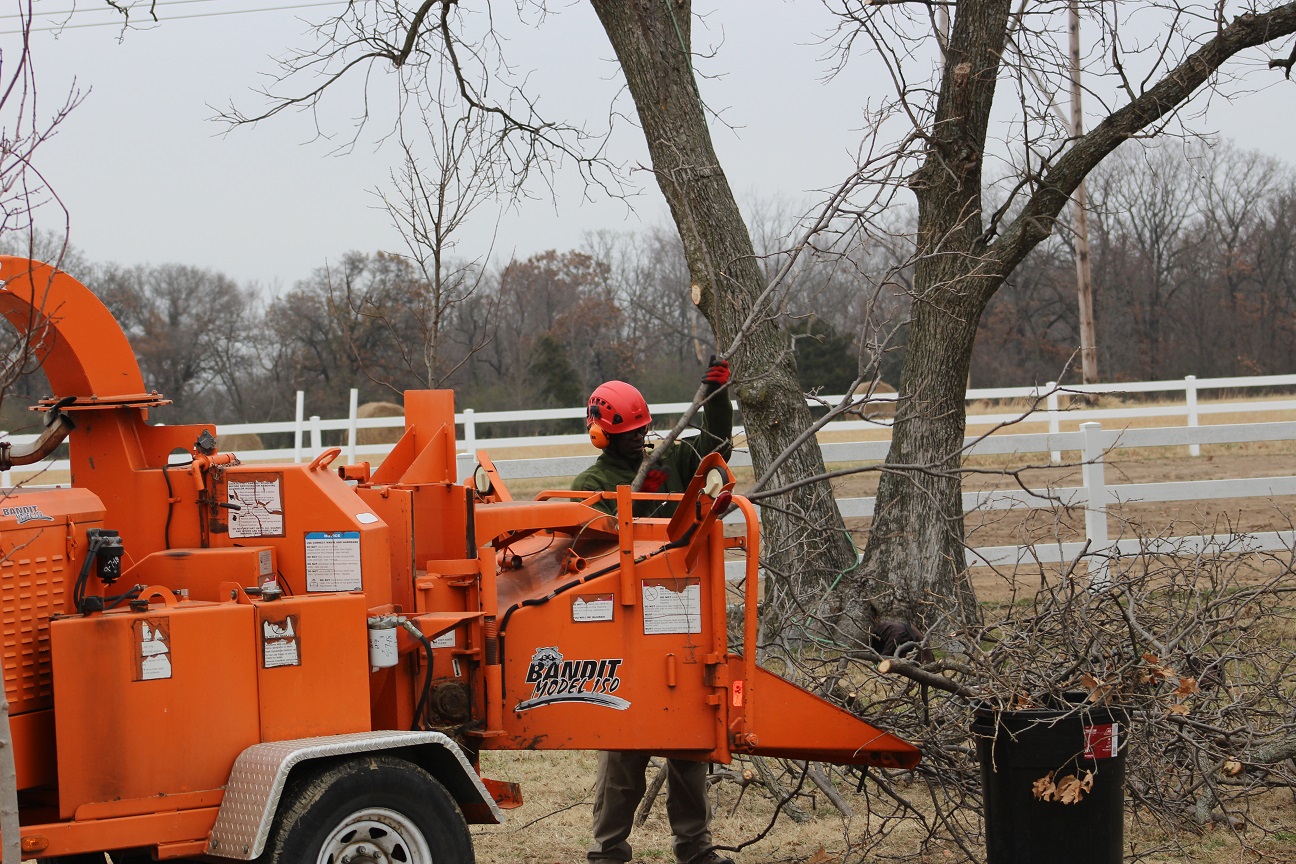
Greg Cole, the owner, is very nice and knowledgeable. He is a certified arborist. I had a couple of large limbs in one tree from storm damage. They took those out and removed some other damaged limbs. They also trimmed some limbs on 2 other trees. His crew is efficient and kind. I had 3 estimates for the work and they were $1800, $1500 and Greg charged me $900. He worked cutting the limbs with his crew. They cleaned up everything and even let me throw some pruning I was doing into his chipper! Such a kind person! I highly recommend!...
View more on Yelp
It's important to address any frost damage that your trees and plants may have endured during the harsh winter months. Acting now during the spring season not only prevents further damage to new landscaping but also readies your yard for the summer ahead. Taking a proactive approach involves removing deadwood and any undesired parts of your existing landscaping.
Make it a habit to routinely examine your trees and shrubs for any indications of pest activity, as numerous insects and diseases tend to be highly active during the spring season.
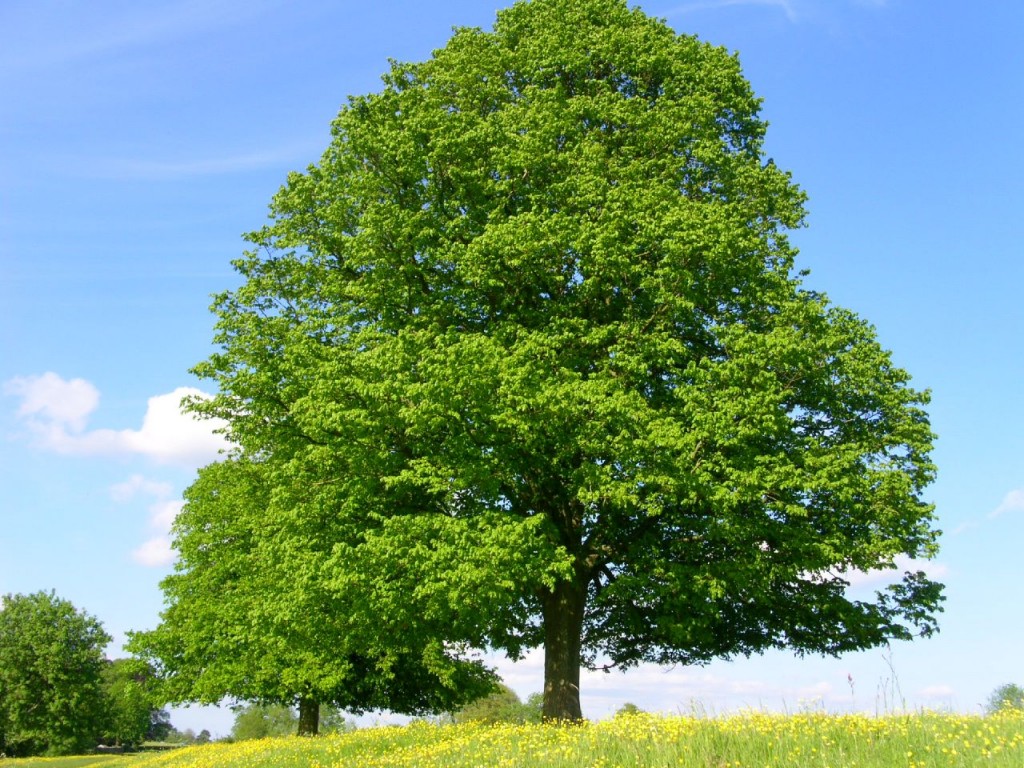
In dry, hot summers, it's essential to consistently water your trees. Adequate hydration is key to maintaining tree health, helping them withstand pests and diseases more effectively.
Apart from watering, it's crucial to conduct regular inspections of your trees' leaves. If you notice signs such as holes, shriveling, dropping, or discoloration (such as brown, yellow, or premature fall colors), it's important to promptly contact your Arborist. Taking action at the first sign of these symptoms is the most effective way to minimize potential damage.
It's recommended to trim your trees in the summer to reduce the risk of potential storm damage. This involves pruning out deadwood, eliminating broken or hanging branches, and thinning the ends of branches. These actions help to decrease the likelihood of damage during adverse weather conditions.
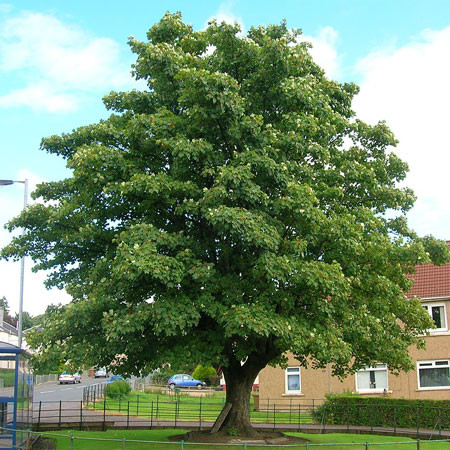
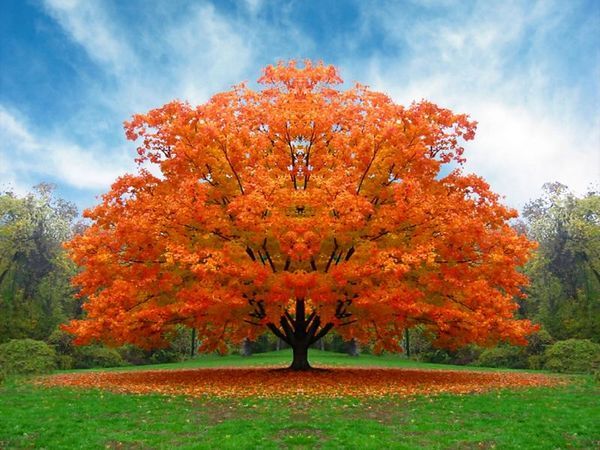
Autumn offers a prime opportunity to ready your trees and shrubs for winter. Pruning during this season can shield trees from the effects of severe winter storms, promoting vibrant blooms in the spring. As leaves have fallen and branch structures are more visible, the risk of disease pathogens or insect infestations spreading is reduced.
Numerous tree issues can arise from subpar soil conditions, be it inadequate nutrients, soil compaction, acidity levels, or other factors. Improving your tree's soil can replicate the natural conditions of the forest floor, enhancing the performance of its roots. When a landscape tree thrives in soil tailored to its requirements, it becomes more robust against pests, diseases, and environmental pressures.
Once the leaves have fallen, your arborist can more effectively evaluate your trees' structure. With summer annuals cleared, there's reduced risk of landscape disturbance when working on larger trees. Moreover, as the soil freezes, equipment can often access closer quarters, improving safety and cutting costs. Winter pruning can also curb the spread of serious diseases that thrive and spread easily during the spring and summer growing seasons.